


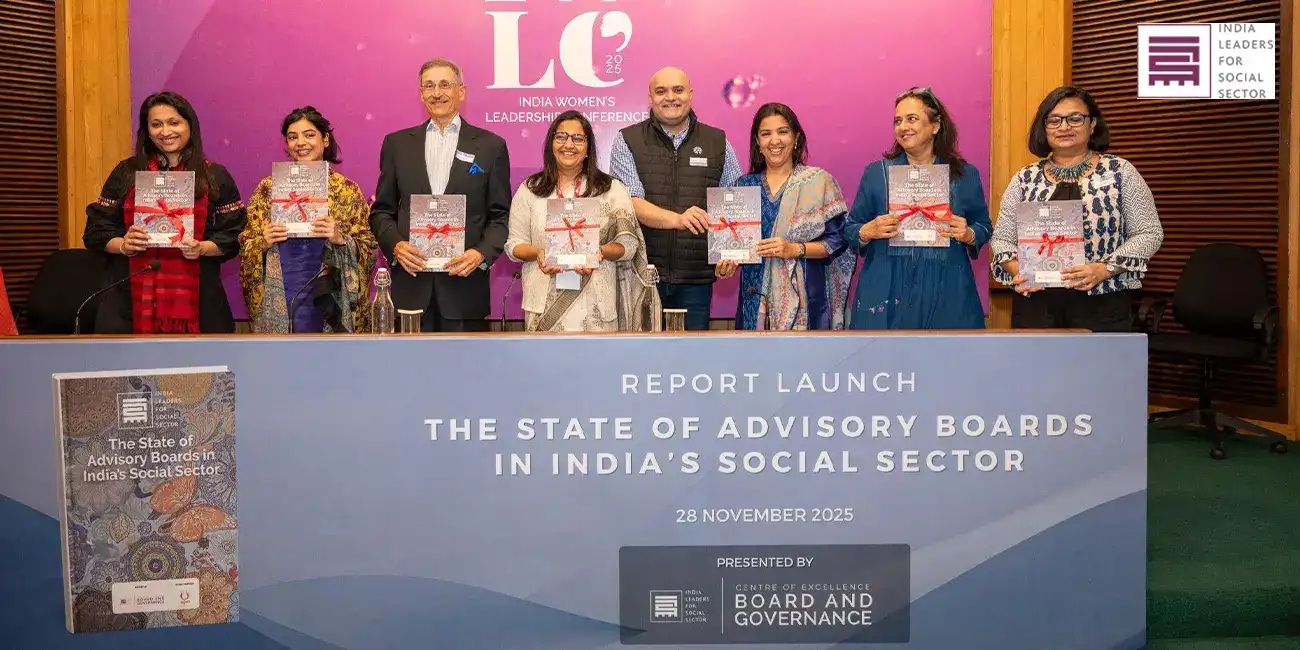
Insights from the Delhi and Mumbai launch of the ILSS Report on The State of Advisory Boards in India’s Social Sector
The ILSS Centre of Excellence for Board & Governance recently launched its research report on The State of Advisory Boards in India’s Social Sector across two cities — Delhi and Mumbai. Each event brought together governance practitioners, nonprofit leaders, board advisers, and funders for a candid reflection on the state of governance in India’s social sector. Taken together, the conversations paint a portrait of a sector at an inflection point: one that understands what good governance looks like, but has yet to fully commit to it.
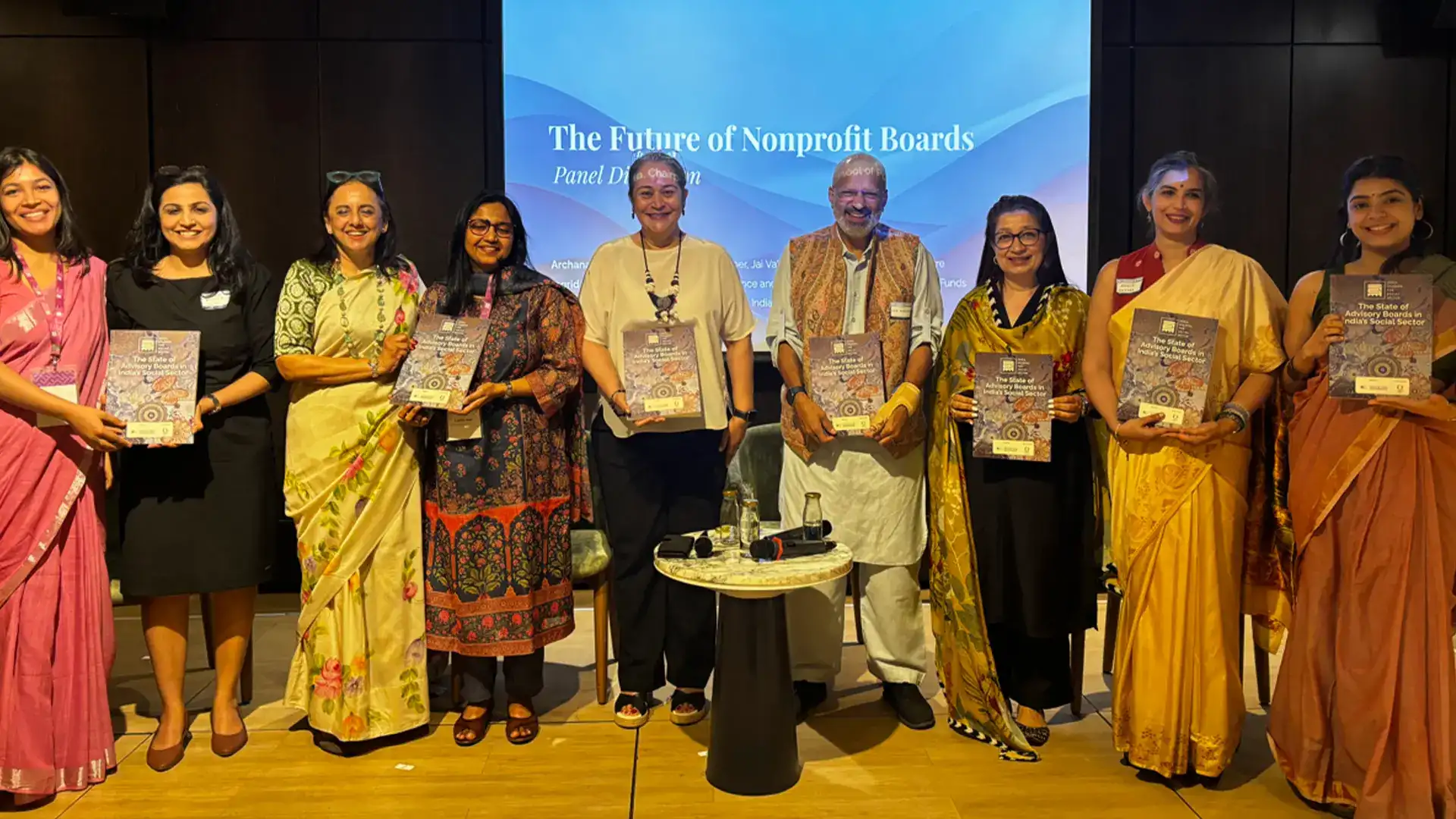 Panellists and leaders pose with the Report at the Mumbai launch.
The panellists affirmed what the ILSS Board CoE has long championed: that boards must be active, deeply engaged in advancing the organisation’s mission, working in genuine partnership with executive leadership, and serving simultaneously as its sharpest critics and its most committed ambassadors. The Centre’s position is unequivocal: a strong board is a strong organisation. It is the nerve centre, and when it functions well, it can fundamentally alter the trajectory of everything the organisation sets out to achieve.
The Delhi panel comprised Shaveta Sharma-Kukreja, former CEO and MD, Central Square Foundation and Maharshi Vaishnav, CEO, Motilal Oswal Foundation and the Mumbai panel comprised Archana Chandra, CEO and Board Member, Jai Vakeel Foundation and Research Centre, Ingrid Srinath, Board Chair, Resource Alliance and Vice Chair, Co-Impact Philanthropic Funds and Luis Miranda, Chairperson and Co-Founder, Indian School of Public Policy.
The Honest Diagnosis
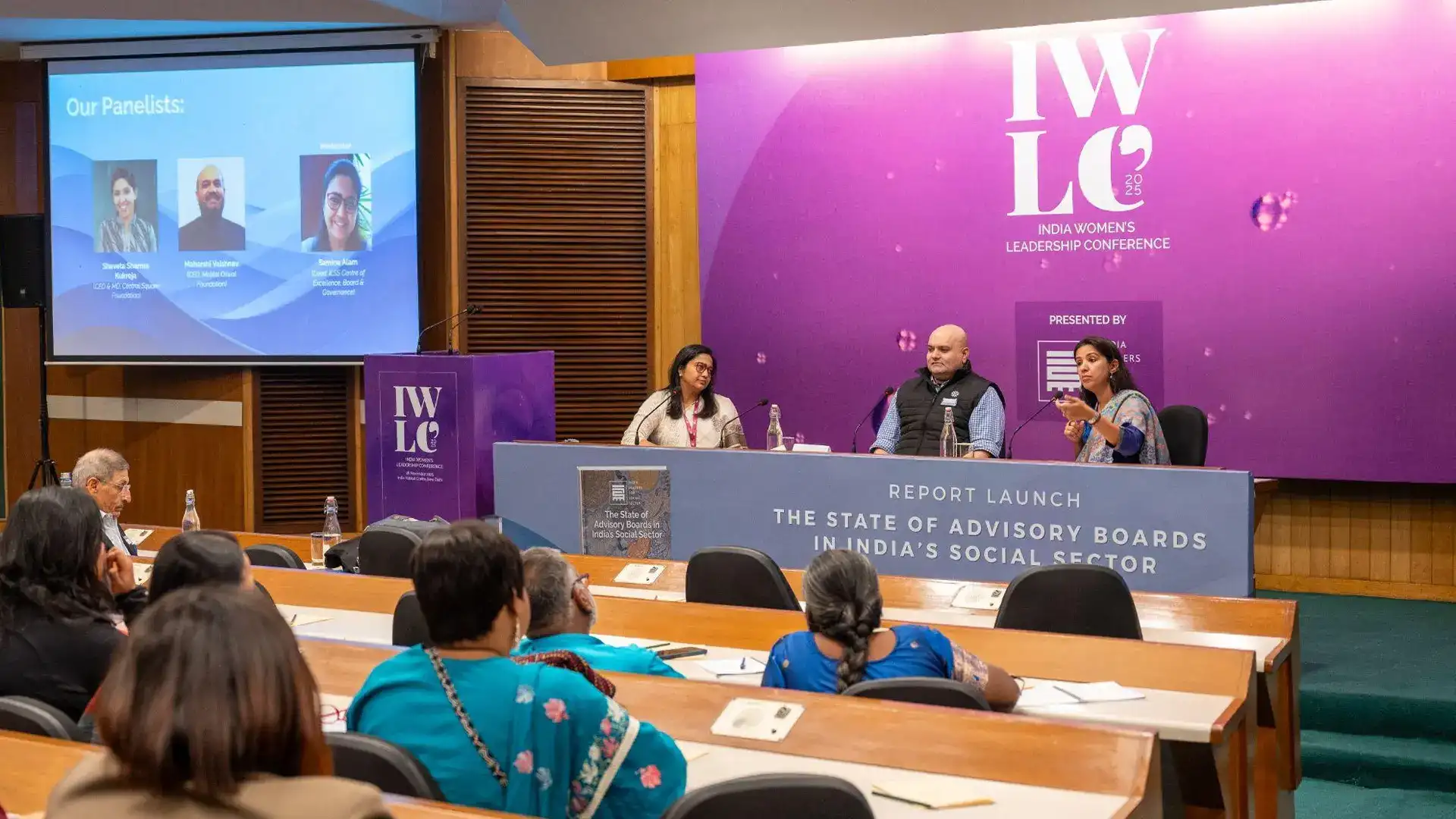 Panel discussion at the launch in Delhi.
The panellists across both cities offered a consistent, if sobering, read of where the sector stands. A few of the words used were ‘underutilised’, ‘aspirational’, and ‘in transition’, the sector moving from founder-centric structures toward ‘a more strategic, mission-centric stewardship’. The framing was sharper in another instance: boards are ‘tentative, still evolving, work in progress’, and more pointedly, ‘compliant, but not catalytic’. They do the bare minimum. Both the panels were naming the same reality, boards that exist but do not truly govern.
Advisory vs. Governing: A Distinction That Matters
One of the clearest conceptual contributions from the panels was insisting on the difference between advisory and governing boards, a distinction frequently blurred in practice. In Ingrid’s opinion, advisory boards serve specific, time-bound purposes: bringing in expertise in finance, communications, legal, or technology. Governing boards carry full accountability for fiduciary oversight, strategy, CEO selection, succession planning, and risk. The commitment they demand is categorically different. The maxim ‘noses in, fingers out’ captures the boundary precisely: boards must be close enough to the work to govern it meaningfully, while respecting the executive’s space to lead. Hiring for the board, Archana argued, is like any other hiring: identify the gap, seek value alignment alongside skill, and make the appointment deliberately.
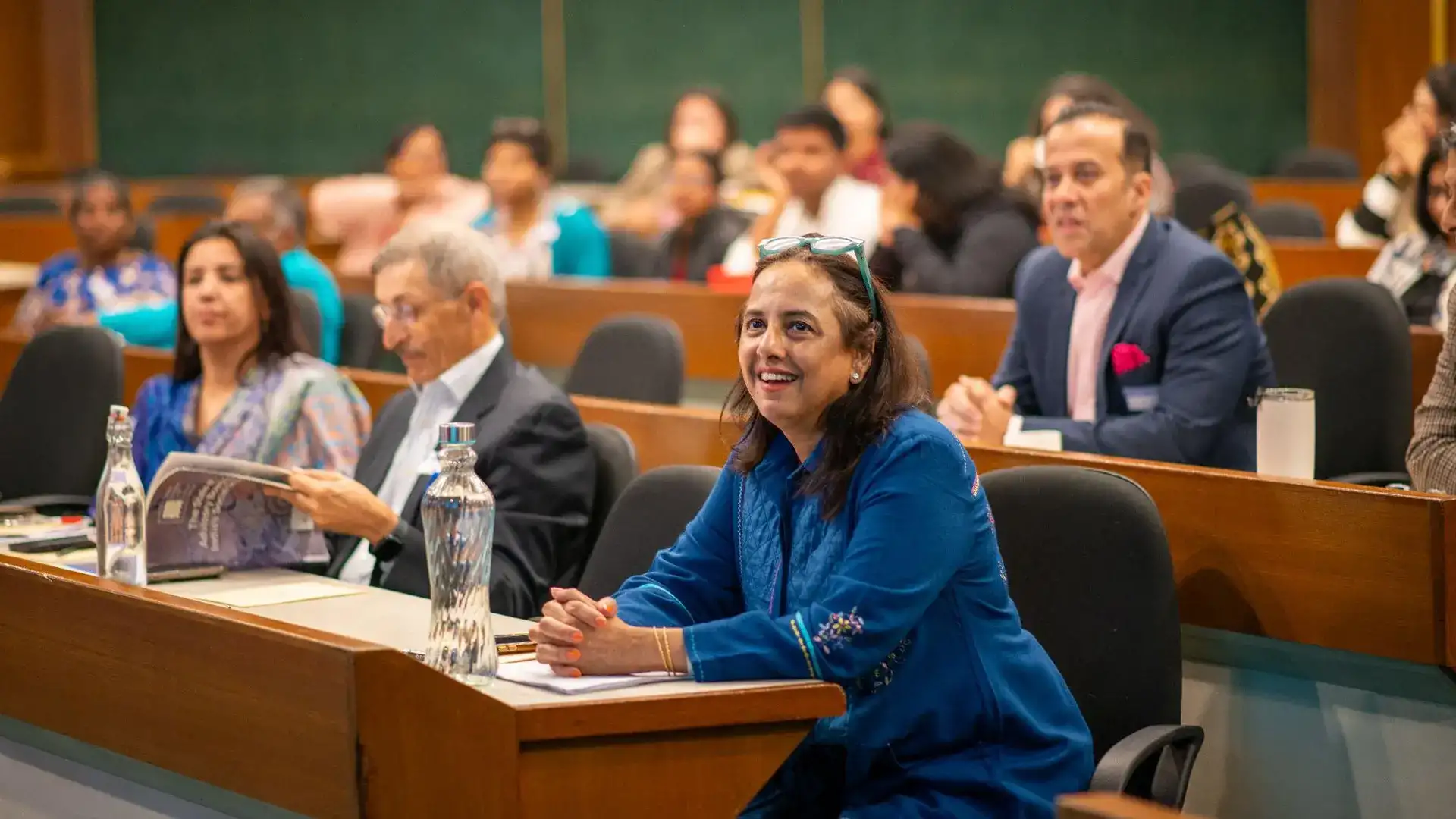 An engaged audience at the Delhi launch.
What Well-Functioning Boards Are Built On
Three non-negotiables emerged across both panels. Maharshi clearly highlighted, first, that the mission and the core constituency must remain sacrosanct. Every board decision must trace back to the people the organisation exists to serve. Second, radical transparency between leadership and the board: he made a counterintuitive yet resonant argument that vulnerability invites support rather than judgment, and that the best boards function as partners in a leader’s journey, not overseers of it. Third, a sustained focus on talent beyond the founder, building a second line of leadership and a credible succession plan. Boards that over-index on the founder while ignoring the pipeline are actively undermining the institution’s future.
Power, Language, and Who Gets to Speak
 The panel discussion at the Mumbai launch.
The conversations on diversity and inclusion cut to the heart of how power operates in boardrooms. From his experience as a board member, Luis described switching board meetings to vernacular language and suddenly finding himself the quietest person in the room. A single change in language redistributed voice and authority entirely. He also shared the example of CORO India, a Mumbai-based social purpose organisation. They shifted a fundraising event into the community, taking donors into people’s homes so they could witness the reality of the work firsthand. Ingrid observed that predominantly female boards tend toward a more collegial dynamic: ‘we’re all in this together’, rather than a posture of oversight and judgment. Boards, she urged, must listen not just to what is being said, but to what is not being said. A persistent gender paradox was also flagged by Archana: organisations founded and led by women frequently end up recruiting men to their boards over equally or more qualified women. In the Delhi panel, the point came up equally emphatically: genuine grassroots inclusion cannot be achieved through a single curated field visit. What matters is unfiltered, unsupervised engagement with communities over time, not managed tours designed to reassure.
Boards as Partners, Not Overseers
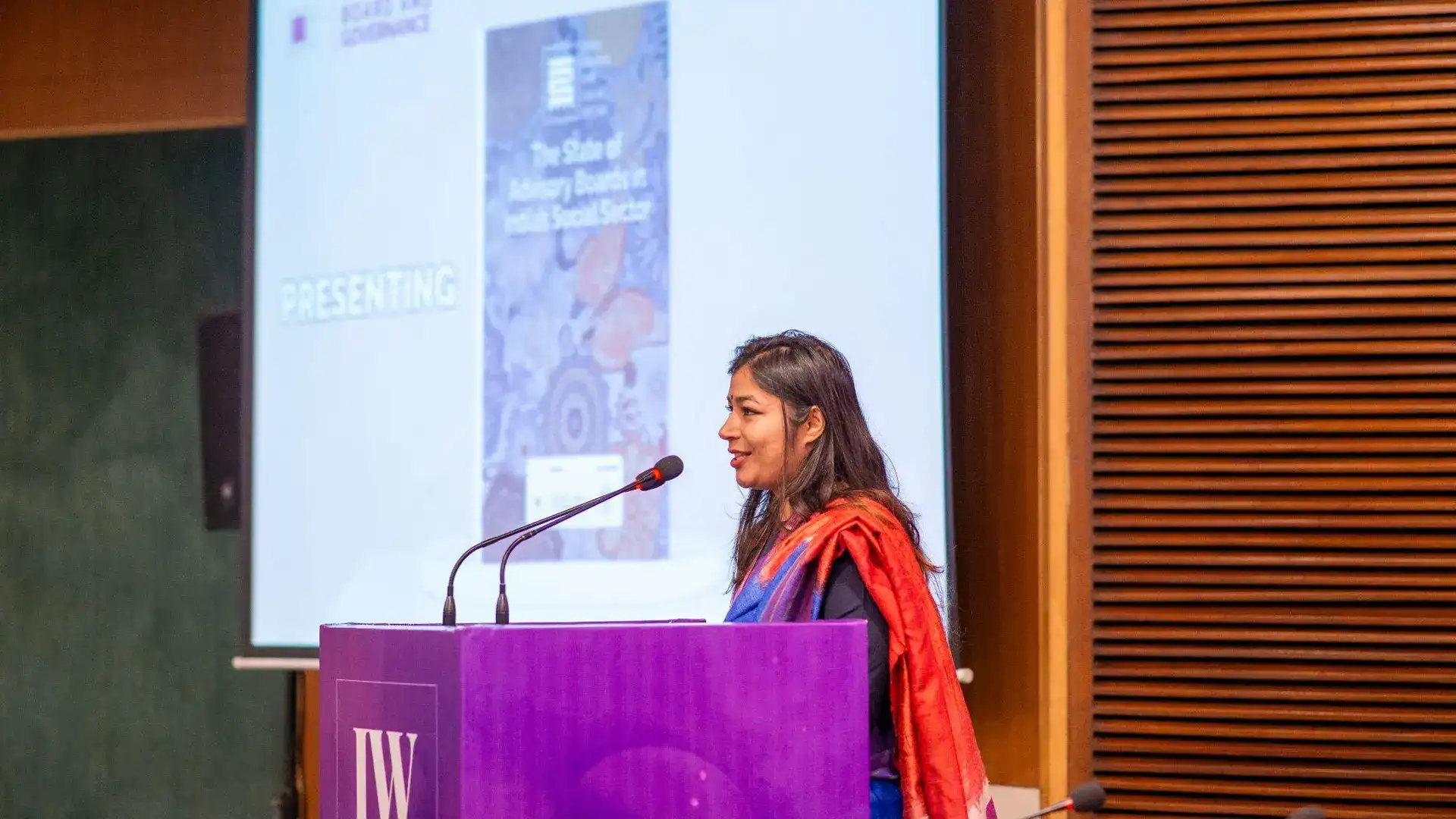 Setting the context at the event.
Across both cities, there was a strong push to reframe the relationship between the board and leadership. Simply recruiting and onboarding board members, Maharshi argued, only gets you names for the website. The real investment is in sustained engagement, in helping board members understand the work deeply enough to truly add value. Shaveta offered a powerful framing for the ideal board member: a ‘critical friend, they are your safe space, they have your back.’ The board’s role during crises and transitions was singled out as particularly important. CEO selection and succession cannot be left to chance. And when leadership is honest with the board about uncertainty, the board tends to rise to the moment. Luis shared how he learnt board governance in the corporate world from Deepak Satwalekar and everything about the nonprofit world from Noshir Dadrawala. He quoted Deepak in one instance – ‘The role of an independent director is to protect the promoters from themselves.’
Boards in Crisis and the Board as Institution-Builder
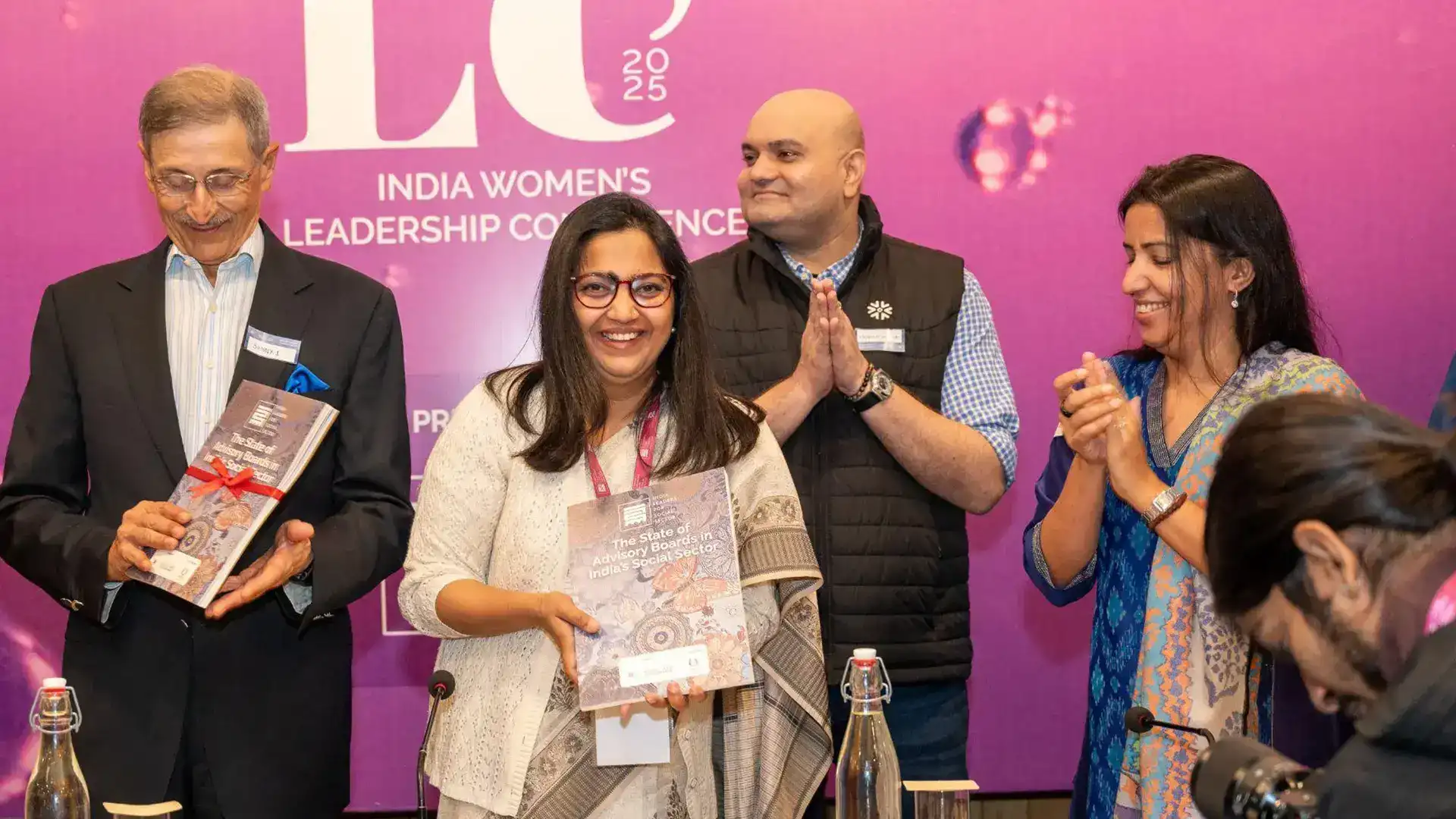 The Report being launched in Delhi.
Crises, both financial and leadership-related, revealed the true character of boards. Archana discovered that complete transparency with the board at a certain stage of her leadership journey saw the board being incredibly supportive and also offering to step up to shoulder some responsibilities. Shaveta shared that in adverse situations, the true character of the board gets reflected. The role of the board is to anticipate and prepare for what could be the rockiest roads. She added that building institutional strength is not a diversion of resources from stakeholders; on the contrary, it is what creates lasting resilience for them.
The Future-Ready Board
The panels were clear about the capabilities that future-ready boards must possess. In Ingrid’s view, multidisciplinarity and diversity of perspectives are essential in a rapidly changing environment, including age. Boards are at times stuck in a time warp, often unaware of the lived realities of their stakeholders. Maharshi underscored mission alignment, data fluency, and the ability to support innovative fundraising as the top attributes for the decade ahead. Organisations can no longer rely solely on CSR and FCRA funding, and boards must help navigate that shift. And financial resilience cannot mean the comfort of a large corpus fund; it must mean agility and a willingness to adapt.
The Dream
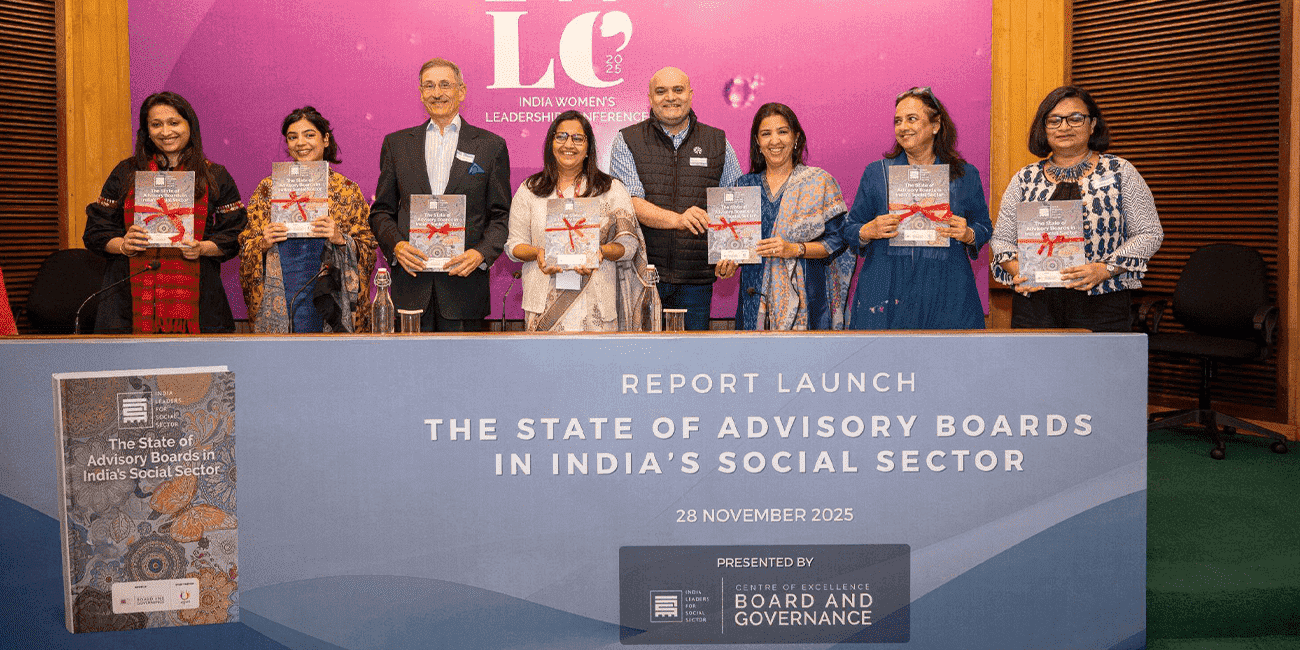 Leaders pose with the Report at the Delhi launch.
When asked what they dreamed of for the future of nonprofit boards, the panellists’ answers ranged from the structural to the deeply human. Maharshi envisioned boards moving from a fiduciary body to a foresight body, capable of helping organisations navigate regulatory shifts, technology, and evolving financing models. Shaveta dreamed of a more seamless working relationship between boards and leadership, where ‘the transaction cost of onboarding an engaged board and deriving value from them should come down’. Archana’s voice cut through with perhaps the most essential reminder: that AI may bring better systems, but what leaders and boards ultimately need is EQ, empathy, and moral judgement: the capacity to show up in every conversation, every relationship, with love.
Both panels, taken together, pointed toward the same destination: a body of elders that is mission-aligned, puts integrity above everything else, understands its constituents, is diverse, responsive, and agile and operates from a foundation of empathy. India’s social sector has the vocabulary for this. What it needs now is the will.
Download The State Of Advisory Boards in India’s Social Sector Report
About the Author

Samina Alam heads the Centre of Excellence for Board and Governance at ILSS. With nearly two decades in education and skills, she has led large-scale, multi-stakeholder initiatives across geographies for corporates and nonprofit organisations, driving systemic education reform, curriculum design, training, and impact assessment. An entrepreneur at heart, she co-founded an education startup, launching preschools for peri-urban communities and employability skills programs. A ‘Social Entrepreneur’ awardee in Masterpreneur 2015 (CNBC Awaaz), she previously served as CEO of SEEDS Impact, leading work across education, livelihoods, and health. Passionate about gender equity and expanding opportunities for marginalised communities, she brings an entrepreneurial approach to leadership.
Comments are closed