


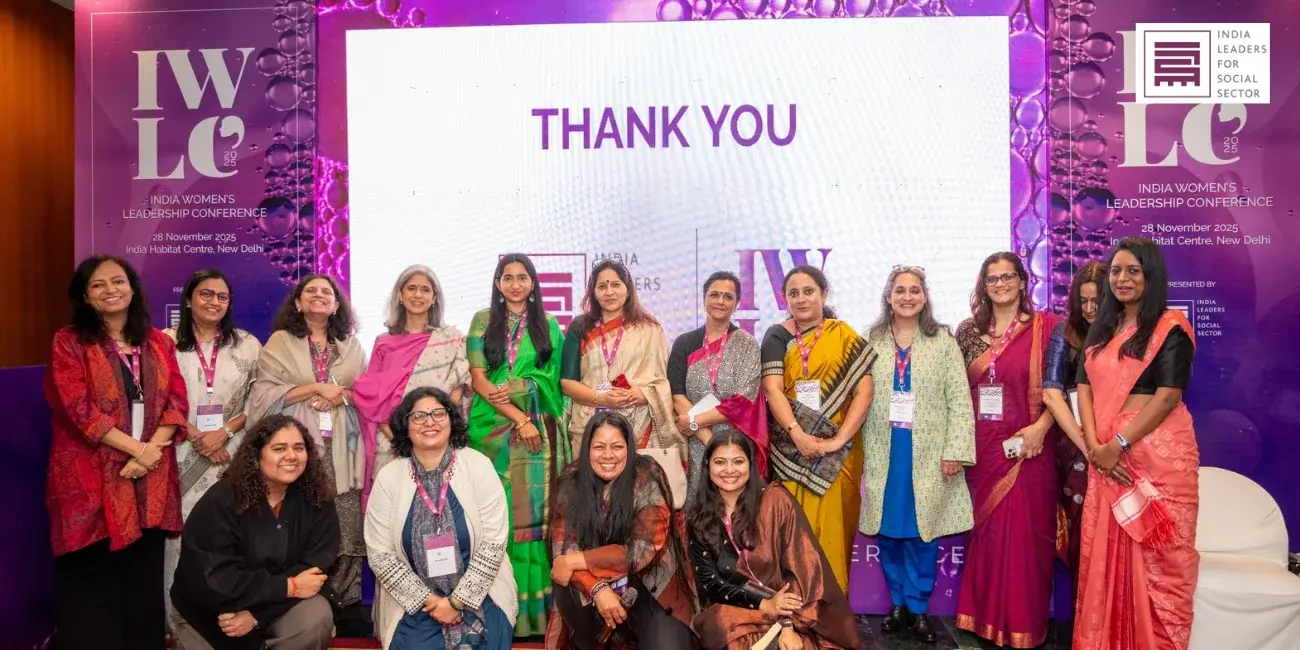
One Monday morning, some years ago, a colleague stopped me in the corridor. ‘My daughter is very impressed with you,’ he said.
I had never met his daughter.
He had brought her to the office that weekend. While he worked, she wandered between our two buildings. When she got home, she told him what she had noticed.
Every office door carried a man’s name. Except one. Mine.
I had worked in those buildings for years and never once thought of myself as the only woman. She saw it in an afternoon.
Her observation reframed it for me. Visibility, I realised, lies in what your presence signals to others. It is agency, and it carries a responsibility, one I bring into my mentoring: helping other women find that agency too.
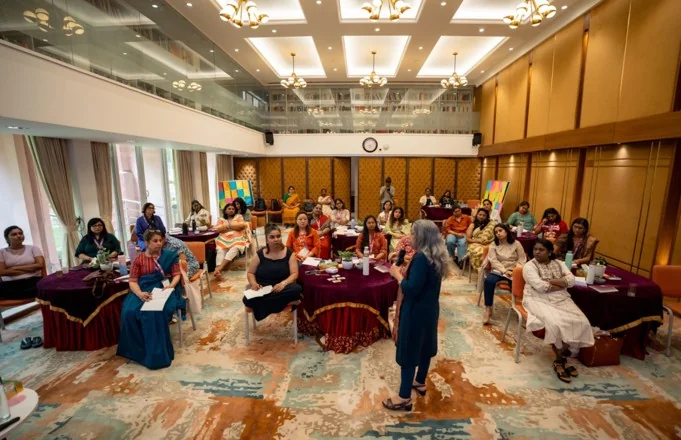
Many of the women I mentor on The ILSS Emerging Women’s Leadership Program (EWLP) are also the only one in the room. For them, it often weighs more, because being the only one is about more than being a woman.
One was the first girl to go to school from her village, and from every village around it. Everyone saw pride, even privilege, but what she carried was pressure: every exam, every job and every step had to prove she deserved it.
Another grew up in a conservative community, watching her mother set her ambitions aside for lack of financial independence. Her mother chose to educate her, and she became the first girl in her family to go to college and work outside the home. People saw a trailblazer, but she felt she could not afford a single mistake: one failure would prove the doubters right.
Two lives, the same belief: I cannot afford to get this wrong.
There is a word for what shapes stories like theirs: intersectionality. Gender rarely arrives alone. It comes with caste, class, language, region, disability and sexuality, and together they shape how a woman is heard, whether she is trusted, and whether her work gets noticed.
When no one names how these overlapping identities shape her path, a woman often blames herself. She believes that if she were sharper, more polished or more confident, the doors would open. However capable she is, she still finds herself waiting for permission. So she works harder, speaks less and waits to be certain before she shares her views. Over time, she becomes a reluctant leader, doing the work of leading but hesitating to claim it.
Things begin to change the moment a woman realises she is not the only one.
I have seen this happen, cohort after cohort, in EWLP. The program is rigorous, and alongside the work comes camaraderie. Women who arrived as strangers, from very different backgrounds, find themselves navigating the same waters. In one session, a participant admitted she avoided networking because it felt transactional. Many in the room said the same. For her, it was a comfort simply to know it was not just her. That is how a sense of belonging begins.
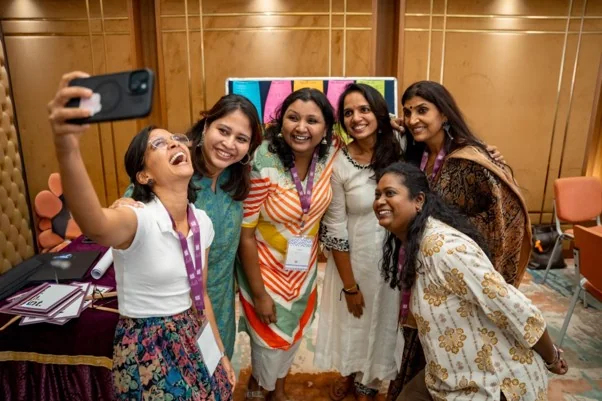
Much of what the women I mentor know about leadership, they know intellectually. Once they begin sharing their stories in the cohort, that knowledge becomes real. Letting go of the need to have every answer stops being an idea when they hear a peer admit she doesn’t have it either. Asking for help feels less like weakness once they have watched someone else do it. Together, they learn it is fine to be a work in progress and to choose progress over perfection. As women in the program often put it, the journey is ijazat se agency: from permission to agency.
I still wonder what that girl would notice if she walked those corridors today. More women’s names, I hope.
If you recognised yourself here, this is for you. You are not the only one. And the next name on the door could be yours.
About the Author
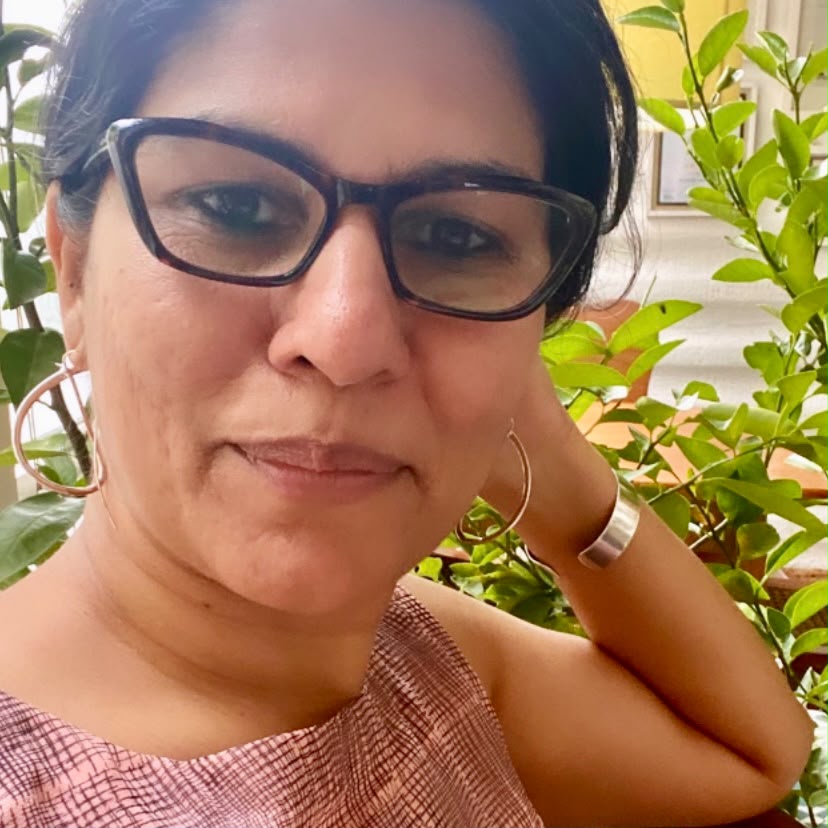
Rajyashree Iqbal is a certified leadership and transitions coach. She partners with professionals at pivotal moments, from stepping into leadership to rethinking direction, helping them craft and own their story. A former media executive with 25 years in the industry, she mentors women leaders through The ILSS Emerging Women’s Leadership Program and Rise Women in Broadcast.
Comments are closed