

- ABOUT US
- PROGRAMS
- THE ILSS LEADERSHIP PROGRAM
- THE ILSS FUNDRAISING PROGRAM
- THE ILSS PEOPLE PRACTICES PROGRAM
- THE ILSS EMERGING WOMEN’S LEADERSHIP PROGRAM
- THE ILSS BOARD GOVERNANCE PROGRAM
- THE ILSS BOARD LEADERSHIP PROGRAM
- THE ILSS AI & DIGITAL TRANSFORMATION FOR SOCIAL IMPACT PROGRAM
- THE ILSS ADVANCED NONPROFIT LEADERSHIP AND MANAGEMENT (ANLM) PROGRAM
- CENTRES
- EVENTS
- LEADERSHIP INSPIRED
- ALUMNI
- ILSS IN THE NEWS
- RESOURCES
- CONTACT
- APPLY NOW
- THE ILSS LEADERSHIP PROGRAM
- THE ILSS FUNDRAISING PROGRAM
- THE ILSS PEOPLE PRACTICES PROGRAM
- The ILSS Board Governance Program
- THE ILSS EMERGING WOMEN’S LEADERSHIP PROGRAM
- THE ILSS AI & DIGITAL TRANSFORMATION FOR SOCIAL IMPACT PROGRAM
- THE ILSS YOUNG LEADERS PROGRAM
- THE ILSS ADVANCED NONPROFIT LEADERSHIP AND MANAGEMENT (ANLM) PROGRAM
Case Study
One Future Collective: Leveraging Board Expertise for People Management
Introduction to OFC
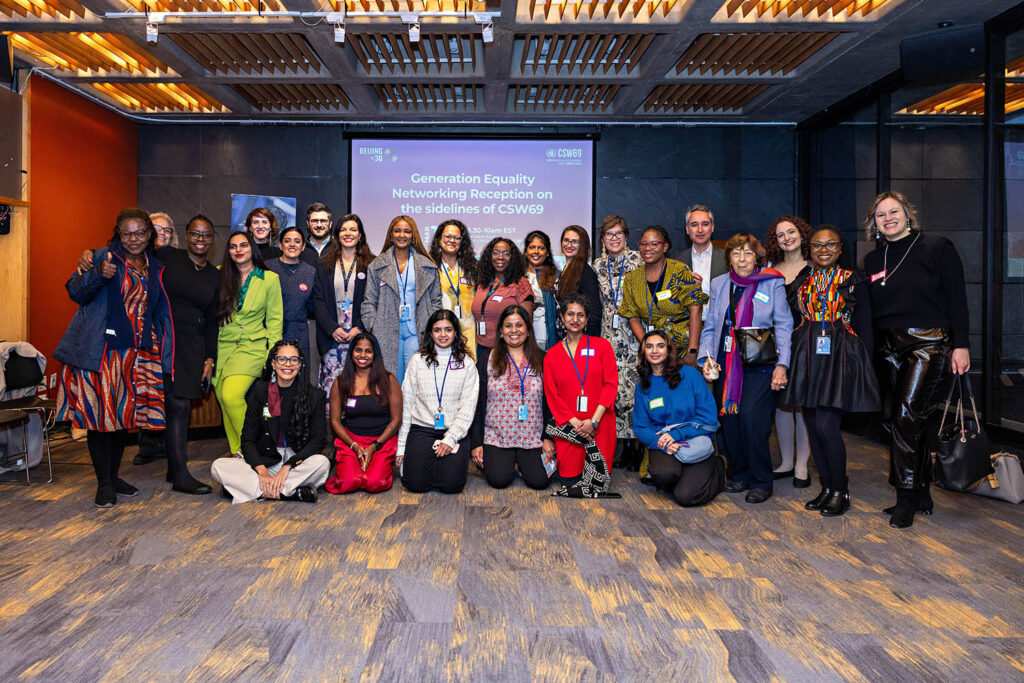
One Future Collective (OFC) is a feminist social purpose organisation founded in 2017, working towards a world where social justice is a reality for all. Operating across South Asia, OFC has reached over two million people through its various offerings, guided by a mission rooted in dignity, belongingness, and freedom from violence and discrimination. The organisation currently operates with an advisory board of nine advisors, including Ujwal Impact Advisors, a consortium of advisors.
Even though registered early on, One Future Collective (OFC) formalised its operations eventually. In December 2017, it was a loose collective of volunteers coordinating through shared values rather than a formal structure. A founding manifesto set the tone, but the systems came later. COVID-19 proved to be the turning point. By 2021, with paid staff coming on board, OFC formalised in earnest, building out HR policies, salary bands, and defined roles. Today, OFC has a team of 15 and continues to prioritise a lean structure with high individual ownership and influence.
From a governance lens, the organisation runs on a dual support model that reflects how its thinking has matured. Their Advisory Board engages at the strategic level, offering networks and influence rather than domain expertise, while project-specific mentors bring the technical knowledge that individual projects demand. One tier shapes direction, the other makes delivery possible.
OFC’s definition of what constitutes a successful advisory board
For OFC, a successful board is one that is deeply aligned with the organisation’s feminist, rights-based values and is comfortable with non-linear, long-term results. The organisation began formalising its board structure nearly two years into its journey as a volunteer-led collective. As early volunteers moved into other professional commitments, OFC invited some of them to transition into board roles, creating space for their continued engagement, preserving institutional memory while adapting the nature of their engagement. The board also became a critical source of external expertise, supporting OFC in articulating its theory of change and informing key hiring decisions.
Quick facts
Organisation Name
One Future Collective
Organisation Website
https://www.onefuturecollective.org/
About the Organisation
OFC is a feminist social purpose organisation, working towards a world where social justice is a reality for all. Their mission is a world where individuals are leading a life of dignity and belongingness, and are free from all kinds of violence and discrimination, irrespective of their identity. They work through a cyclical, infinity loop model where on the one hand, they nurture people's power and on the other, advocate for institutions to commit to protect and promote social justice. Their work with people and institutions is mutually reinforcing, ensuring that each of them holds the other to account and every stakeholder promotes and prioritises social justice for all.
Founding Year
2017
Number of Beneficiaries served
2 million people have been reached through our different offerings.
Geography Served
South Asia
SDG Alignment
SDG 3: Good Health and Wellbeing;
SDG 5: Gender equality;
SDG 10: Reduced inequalities;
SDG 16: Peace, Justice, and Strong Institutions
SDG 5: Gender equality;
SDG 10: Reduced inequalities;
SDG 16: Peace, Justice, and Strong Institutions

Central Challenge
Building a feminist care-centred organisation
A recent critical challenge OFC has sought to address through its board has been one of talent management — specifically, hiring, retention, and performance management within a small, rapidly growing, fully remote organisation. On the hiring front, OFC struggled to identify candidates who demonstrated both strong mission alignment and technical competence, and its hiring practices at the time were reactive rather than strategic. Simultaneously, retention and performance posed significant difficulties, with team members navigating health challenges and caregiving responsibilities that affected availability and output. These dynamics placed undue pressure on other team members and led to burnout, fatigue and reduced morale. OFC found itself at a critical juncture: committed to building a feminist, care-centred organisation while also needing to uphold accountability and effectiveness.
Solution
An advisory board with HR and leadership expertise
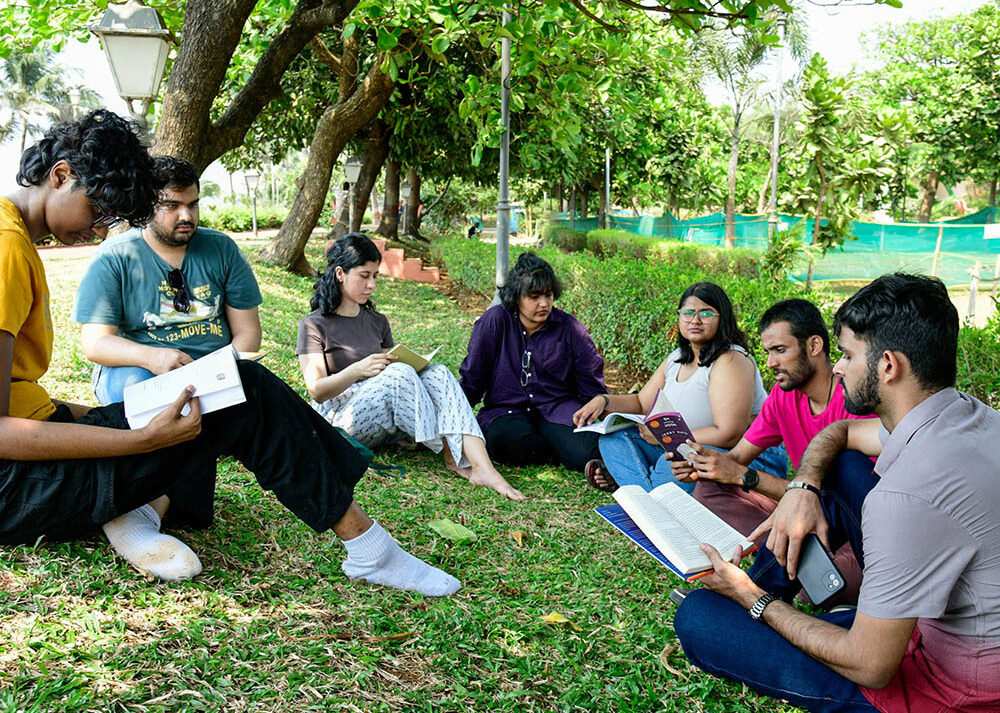
To address these challenges, OFC engaged its board as active thought partners rather than passive advisors. Several board members brought deep expertise in people management, having built teams themselves and navigated similar organisational challenges across domains such as organisational psychology, feminist project management, management consulting, and more. The first major intervention was a comprehensive review of OFC’s hiring practices, with board members contributing directly to the revision of job descriptions, interview frameworks, and candidate assessments, and even participating in final hiring decisions for senior roles. This process led to the development of an internal skills and competency matrix that evaluated candidates and team members on both technical skills and the mindsets required to thrive at OFC.
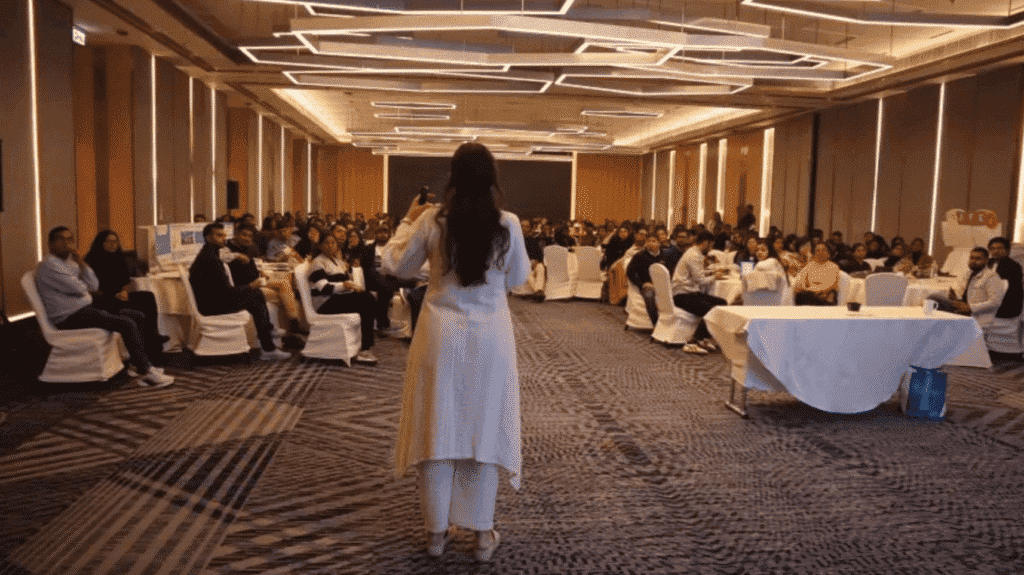
A second turning point came through a detailed review of organisational policies, undertaken in close collaboration with specific board members. This review examined whether existing policies were enabling or constraining high performance and resulted in revisions that balanced accountability with the flexibility necessary for a resource-constrained, hybrid team. This process also surfaced the need to invest in a third line of leadership, culminating in OFC’s first-ever managers’ training — a space for new and experienced managers to reflect on their roles and exchange practical skills in team management, early identification of performance gaps, and providing meaningful support.
Throughout this journey, OFC structured its board engagements with clarity and intentionality — setting clear expectations, making specific requests for support, and establishing time-bound plans. While the interventions are relatively recent and their full impact is still unfolding, OFC has already observed meaningful early outcomes: clearer role definitions, stronger performance appraisal frameworks grounded in evidence, and a shift to monthly developmental check-ins that support long-term professional growth. The improved hiring practices have also introduced greater structure and consistency to recruitment decisions.
Conclusion
OFC’s key learnings from this journey are transferable to other social purpose organisations. People management must evolve alongside the organisation itself. Situating these practices within clear frameworks enhances accountability and consistency. And perhaps most importantly, care-centred team building and organisational accountability are not in opposition — they are complementary forces that, when used together, enable mission-driven organisations to build resilient, high-performing teams.
Click here to know more about the organisation – https://www.onefuturecollective.org/

Call us :
+91 90733 87180Email us :
contact@indialeadersforsocialsector.comAddress :
51, Okhla Phase-3, New Delhi – 110020Resources
Get in touch
Subscribe to our newsletter to get our latest updates
Copyright © 2024 India Leaders for Social Sector
