

- ABOUT US
- PROGRAMS
- THE ILSS LEADERSHIP PROGRAM
- THE ILSS FUNDRAISING PROGRAM
- THE ILSS PEOPLE PRACTICES PROGRAM
- THE ILSS EMERGING WOMEN’S LEADERSHIP PROGRAM
- THE ILSS BOARD GOVERNANCE PROGRAM
- THE ILSS BOARD LEADERSHIP PROGRAM
- THE ILSS AI & DIGITAL TRANSFORMATION FOR SOCIAL IMPACT PROGRAM
- THE ILSS ADVANCED NONPROFIT LEADERSHIP AND MANAGEMENT (ANLM) PROGRAM
- CENTRES
- EVENTS
- LEADERSHIP INSPIRED
- ALUMNI
- ILSS IN THE NEWS
- RESOURCES
- CONTACT
- APPLY NOW
- THE ILSS LEADERSHIP PROGRAM
- THE ILSS FUNDRAISING PROGRAM
- THE ILSS PEOPLE PRACTICES PROGRAM
- The ILSS Board Governance Program
- THE ILSS EMERGING WOMEN’S LEADERSHIP PROGRAM
- THE ILSS AI & DIGITAL TRANSFORMATION FOR SOCIAL IMPACT PROGRAM
- THE ILSS YOUNG LEADERS PROGRAM
- THE ILSS ADVANCED NONPROFIT LEADERSHIP AND MANAGEMENT (ANLM) PROGRAM
Case Study
Satya Special School: Building Governance Systems for Sustainable Impact
Introduction
Journey
Satya Special School began twenty-five years ago with five staff members and twenty children, and one person at the centre of everything. Every decision, every operational hiccup, even a car breakdown, found its way to the founder Chitra Shah. What has unfolded since is a gradual, deliberate shift from a person-driven organisation to a process-driven one. Today, Satya serves over 4,500 children, with 700 passing through its doors each month and a staff of 150, held together by accountability matrices and SOPs that distribute decision-making across the organisation.
A non-profit organisation, Satya Special School was founded in 2003 in Puducherry, working with children and adults with disabilities for over two decades. It began as a small early childhood intervention programme and has since expanded to include schooling, vocational training, and economic interventions, serving over 15,000 beneficiaries. Central to Satya’s approach is its close work with families, recognising that meaningful support can only be developed over time.
A non-profit organisation, Satya Special School was founded in 2003 in Puducherry, working with children and adults with disabilities for over two decades. It began as a small early childhood intervention programme and has since expanded to include schooling, vocational training, and economic interventions, serving over 15,000 beneficiaries. Central to Satya’s approach is its close work with families, recognising that meaningful support can only be developed over time.
Board Transformation
Alongside the organisation, the board underwent a parallel transformation. Initially, it only had doctors on its board since that was the need of the hour as well as some parents. Board governance was not yet a strategic priority as Founder-Director Chitra Shah grappled with operational challenges. That changed after the founder engaged with the Nirantara programme during COVID, which brought in a corporate board member and a new sense of what a board could do. The arrival of Swetha Prakash through Women on Boards marked another turning point: meetings were prepared for, finances examined, and board composition began to be curated with intention. Subsequently, The ILSS Board Governance Program in 2026, helped navigate board governance more effectively.
In 2026, Satya held its first in-person meeting bringing together all staff and board members, a milestone that reflected just how far the organisation had travelled from its early days.
The Right Time To Build A Board
Reflecting on her journey, Chitra Shah notes, ‘In Satya’s experience, the right time to begin building a board is before the need becomes urgent, particularly at the point when a founder’s direct ability to manage all aspects of the organisation begins to diminish
Quick facts
Organisation Name
Satya Special School
Organisation Website
https://www.satyaspecialschool.org/
About the organisation
Satya Special School is a non-profit organization that has been working with children and adults with disabilities for more than twenty years. This was conceived as a small intervention program during the early childhood years of these children and has now expanded to include schooling, vocational, and economic interventions. It is important to note that Satya has been closely working with families because support can only be developed over a span of time.
The years have seen the transformation of the entity from being founder-led to being an established institution with shared leadership. The operations are informed by reality, recognition of individual capability, and a strong conviction regarding dignity and inclusion. Satya loves its employees and strives to enhance its operations, just like it loves serving. Deep down, Satya strives to establish settings where, not only are individuals with disabilities taken care of, but they are also cherished and made a part of.
Founding Year
2003
Number of Beneficiaries served
15000
Geography Served
Puducherry UT
SDG Alignment
SDG 4 – Quality Education,
SDG 3 – Good Health and Well-being,
SDG 10 – Reduced Inequalities
SDG 3 – Good Health and Well-being,
SDG 10 – Reduced Inequalities

Central Challenge
Founder-Centric Organisation & Leadership Isolation
The challenges that prompted this shift did not arise suddenly but developed gradually through the course of Satya’s growth. The most significant was the organisation’s reliance on its founder for nearly every key decision, whether strategic, operational, or external. While this provided clarity and stability in the early years, it also slowed response times and raised legitimate concerns about the organisation’s future sustainability. Alongside this, Satya lacked robust institutional systems. Mechanisms for monitoring and evaluation, human resource planning, succession planning, and financial forecasting had developed informally, meaning decisions were often driven by experience, instinct, and urgency rather than data or careful planning. As donor expectations grew and partnerships became more complex, these gaps became increasingly difficult to overlook.
Rapid growth also introduced a sense of strategic uncertainty. Satya wrestled with hard trade-offs: grow or go deeper, stay inclusive or specialise, and meet compliance without losing sight of the communities it served. These challenges were deeply interconnected and could not be addressed through quick fixes or from within the organisation alone. Perhaps the least visible but most acutely felt challenge was leadership isolation, given the emotional weight of working daily with families navigating long-term care and uncertainty, with few opportunities for candid reflection.
Solution
Streamlining Governance and Systems
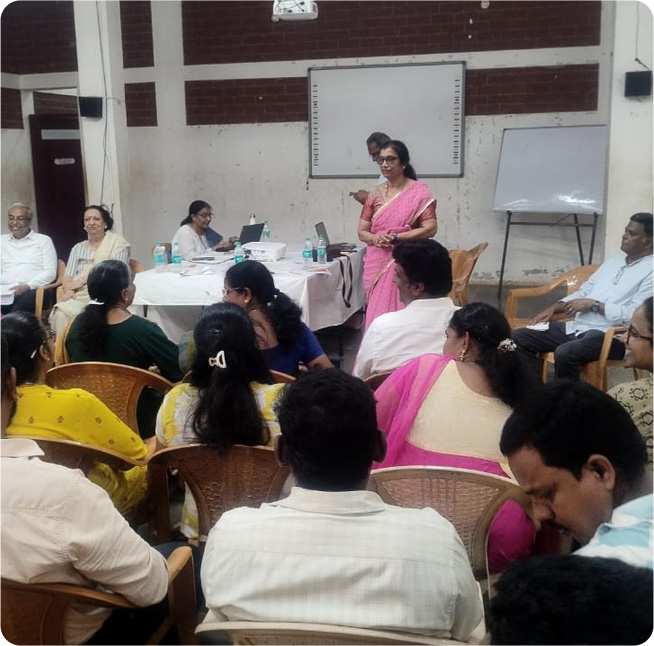
Satya chose to begin with governance and systems, recognising that without clear structures for decision-making, accountability, and future planning, progress across programmes, fundraising, and partnerships would remain disjointed. An important innovation that Chitra worked with was The Alternative Board. TAB is an international organisation that connects businesses and non-profits with experienced corporate leaders and professionals who serve as a sounding board for founders. In India, Satya is currently the only not-for-profit TAB works with. They have been conducting meetings on a monthly basis for the past seven years.
The Advisory Board members were engaged directly in succession planning, HR improvement, financial planning, and the review of Satya’s Theory of Change, bringing their experience to bear on real and pressing organisational questions. To make this engagement effective, Satya established clear structures from the outset. Roles and expectations were defined early, meeting agendas were shared in advance, and sessions were kept focused on decision-making rather than updates. Annual reviews assessed what was working and what needed to change, while informal conversations between meetings helped build trust and maintain connection. Over time, the board became more forward-thinking, helping Satya identify risks proactively, explore new opportunities, and support emerging leaders. As the organisation’s work expanded, so did the composition of the board, with new members brought in to reflect areas such as mental health, livelihoods, and fundraising.
The Advisory Board members were engaged directly in succession planning, HR improvement, financial planning, and the review of Satya’s Theory of Change, bringing their experience to bear on real and pressing organisational questions. To make this engagement effective, Satya established clear structures from the outset. Roles and expectations were defined early, meeting agendas were shared in advance, and sessions were kept focused on decision-making rather than updates. Annual reviews assessed what was working and what needed to change, while informal conversations between meetings helped build trust and maintain connection. Over time, the board became more forward-thinking, helping Satya identify risks proactively, explore new opportunities, and support emerging leaders. As the organisation’s work expanded, so did the composition of the board, with new members brought in to reflect areas such as mental health, livelihoods, and fundraising.
A pivotal milestone in this journey was the initiation of a formal succession plan, which marked a deliberate shift away from founder-dependence and towards mission-led institutional continuity.
Equally significant were conversations in which the board challenged longstanding assumptions about growth, delegation, and the founder’s role, discussions that were at times difficult but ultimately moved the organisation towards a more thoughtful and sustainable way of operating.
Consequences of Structural Changes
The changes have made a real difference, although their full impact continues to unfold.
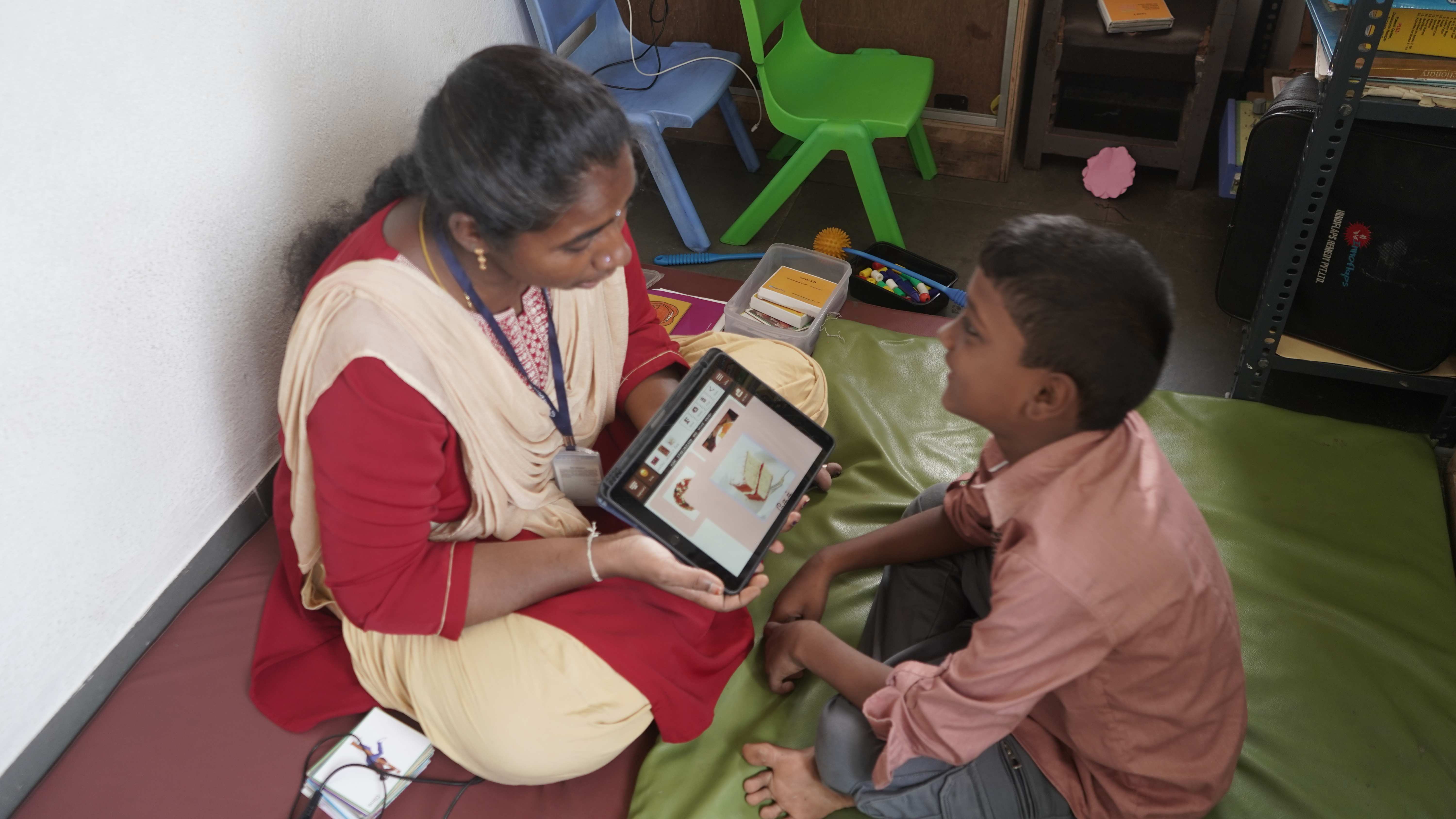
- For individuals with disabilities and their families, services became more predictable and consistent. Transitions between programmes such as early intervention, schooling, and vocational training grew smoother. Families felt more confident that Satya would be there for the long term.
- Within the organisation, decisions shifted from intuition to data and careful deliberation. Financial planning improved. Risks were caught earlier. Growth became more measured and deliberate.
- Staff retention improved through better policies and support. This was a crucial win in a sector built on trust and relationships. Training improved and reporting became more accurate and timely. Programme leads who once held back began sharing their ideas and challenges with the board openly.
One notable example of the board’s influence was its support for a decision to slow expansion in order to prioritise staff wellbeing and mental health. Though less visible than opening new centres, this decision had a direct and lasting effect on the quality of care provided to children. Satya became more resilient and reflective without losing the warmth that has always defined its work.
Conclusion
Satya’s journey has yielded several transferable lessons for other social purpose organisations. The first is the importance of beginning governance work early, before a crisis makes it urgent. Governance structures are more effectively built through patient, deliberate effort than in response to emergencies, and early investment creates habits of dialogue, accountability, and collective thinking before complexity arises. The second lesson is the value of clarity around roles and expectations within a board. When members understand their purpose and boundaries, conversations shift from passive reporting to genuine partnership, and board members are able to function as true thinking partners rather than distant authorities.
Trust and values alignment proved to be just as important as technical competence. Technical expertise in areas such as finance, strategy, or operations is valuable, but without a shared set of values among board members, guidance risks becoming inconsistent or contradictory. Satya also learned that boards must evolve alongside their organisations, with static governance structures becoming less relevant over time. As programmes expanded and new challenges emerged, revisiting board composition and focus kept the advisory function connected to current realities rather than past successes. Another significant outcome, though less visible, was the reduction of leadership isolation. Sharing responsibility for complex decisions reduced the burden on individual leaders and helped move the organisation from personality-driven leadership to institutional continuity.
A defining feature of Satya Special School was the leadership’s self-awareness and willingness to continually learn, adapt, and recognise where existing ways of working were limiting organisational growth. The openness to innovation, novelty and the maturity to relinquish control helped Satya sustain itself over many years and grow into a solid organisation in a volatile environment.
Finally, Satya found that the board’s greatest contribution was not always a solution, but a well-placed question. A culture of inquiry and reflection, even when it slowed decision-making, consistently strengthened long-term outcomes and built an organisation capable of serving its community with both care and consistency.
Click here to know more about the organisation – https://www.satyaspecialschool.org/
Executive Committee

Ms. Bindu Modi
President
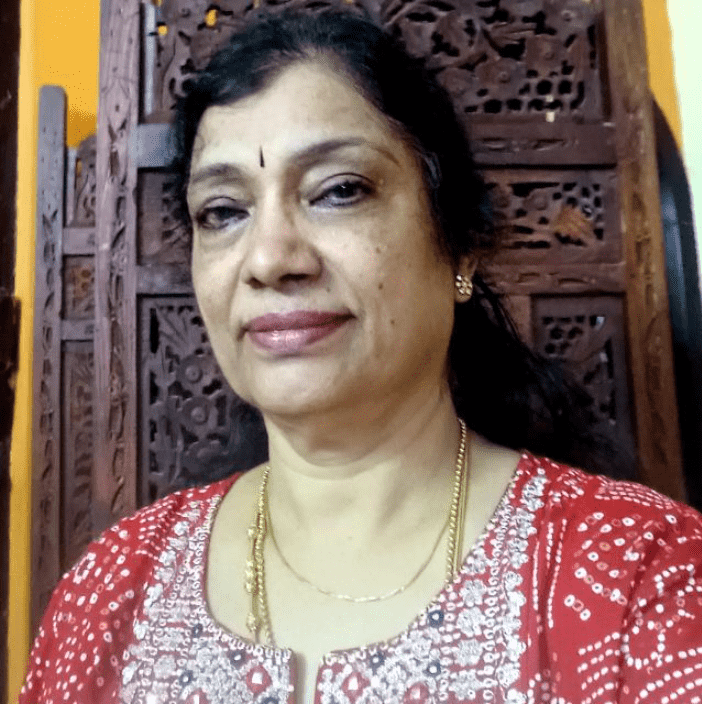
Ms. Seetha Ramkumar
General Secretary
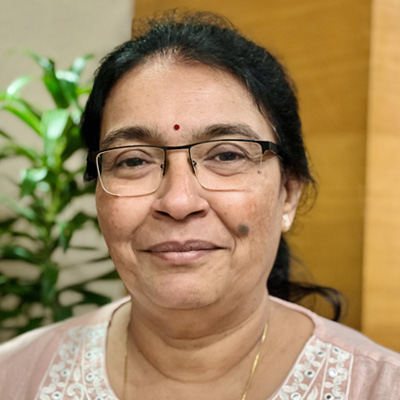
Ms. Chitra Shah
Treasurer Cum Director
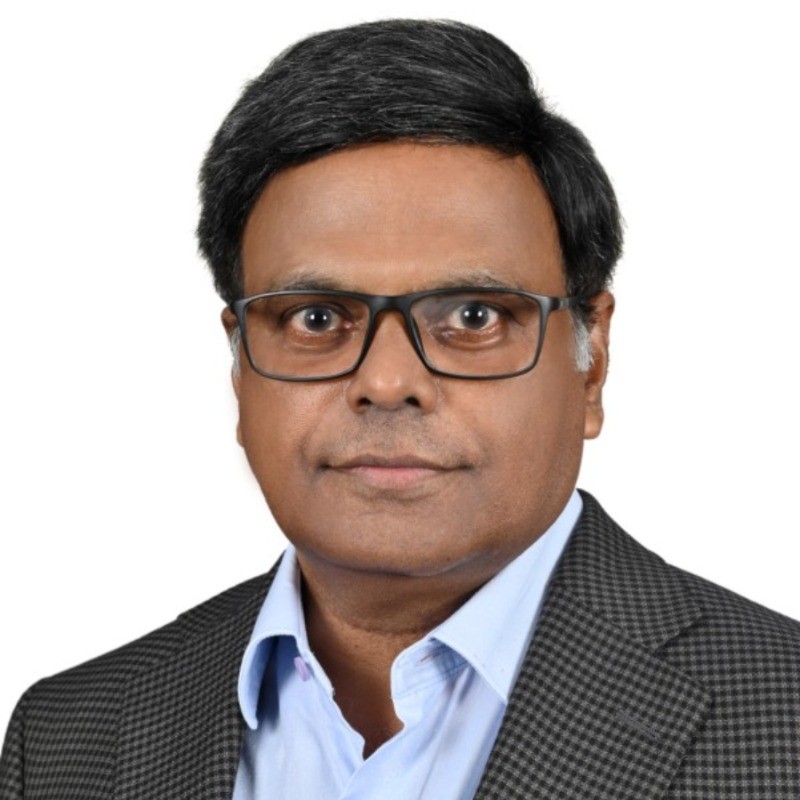
Mr. VG Somasekhar
Executive Committee Member
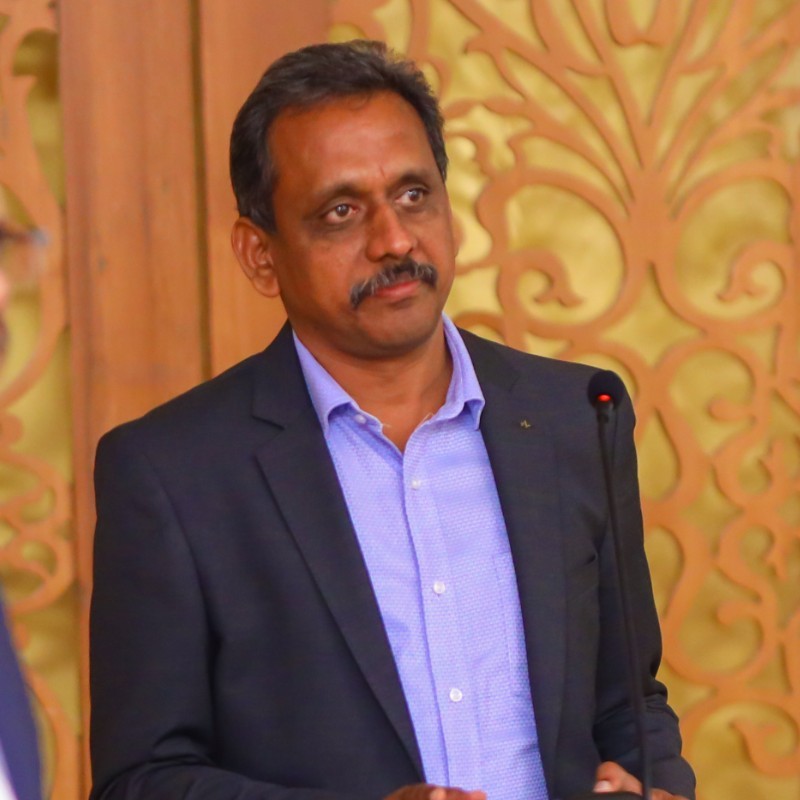
Mr. Madhavan
Executive Committee Member

Ms. Swetha Prakash
Executive Committee Member

Mr. Vaidyanathan Nagarajan
Executive Committee Member

Call us :
+91 90733 87180Email us :
contact@indialeadersforsocialsector.comAddress :
51, Okhla Phase-3, New Delhi – 110020Resources
Get in touch
Subscribe to our newsletter to get our latest updates
Copyright © 2024 India Leaders for Social Sector
